Foreboding is a virtual reality game based off HP Lovecraft and tries to invoke a feeling of uneasiness and foreboding. The player is in an old and decrepit mansion. Notes scattered throughout the mansion which gives clues to what is happening. The mansion has an alter buried deep within it, and when 4 pages of the Necronomicon are found and placed around the alter, the player will invoke the Old Ones. If the player collects all the notes in the game, the ending will show a conglomeration of glowing spheres and large, ominous beings appear before the player loses their sanity. If all note pages are not collected, Cthulhu will appear and consume the player...
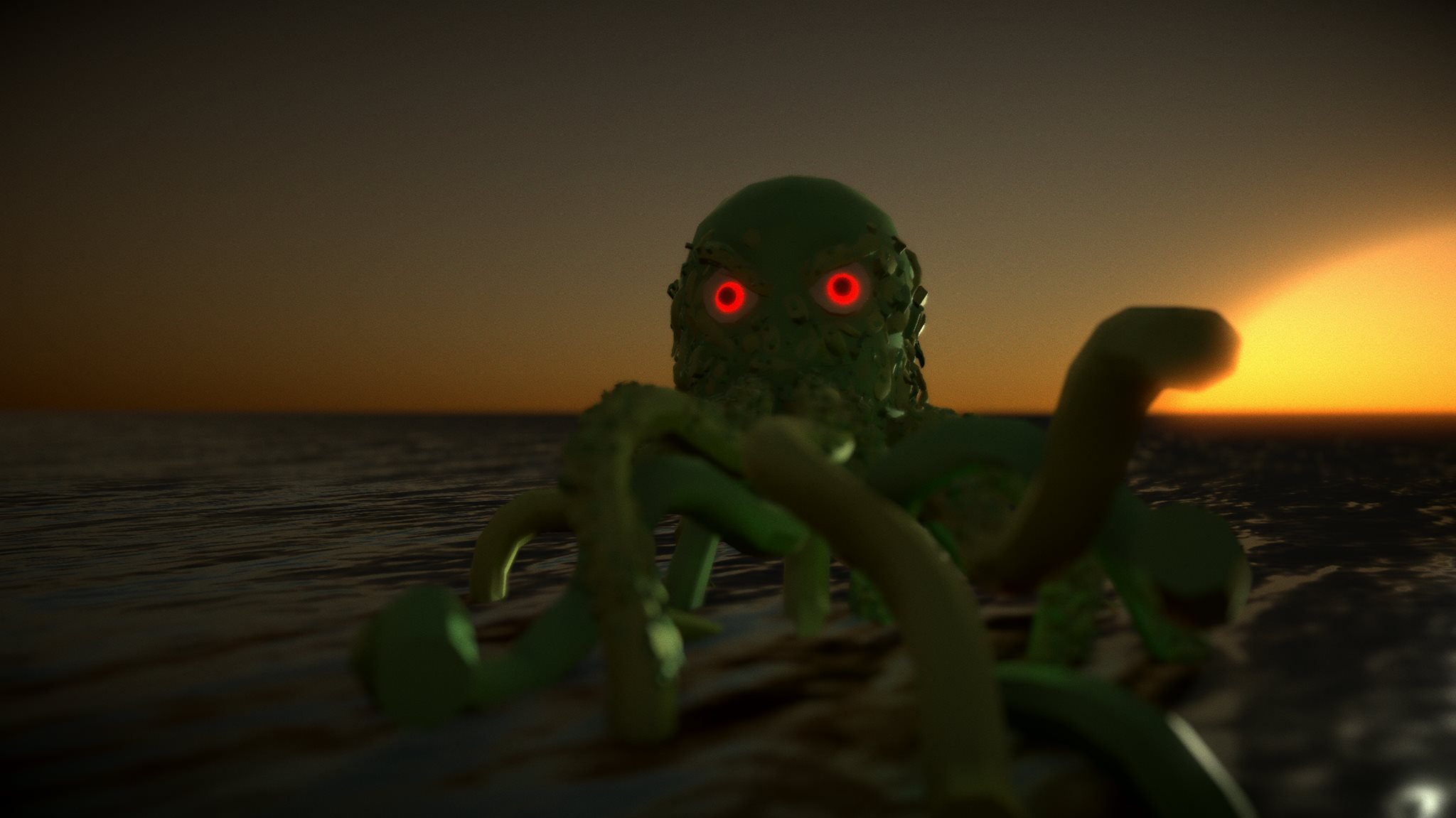
Cthulhu was 3D modeled in a VR program called Google Blocks. This game features an immersive environment and experimental VR interactions and mechanics.
Using a mansion from the Unity asset store, the mansion was extended to create an underground chamber. The player has a flashlight and explores this decaying old mansion. Particle effects and fog add to the environment.
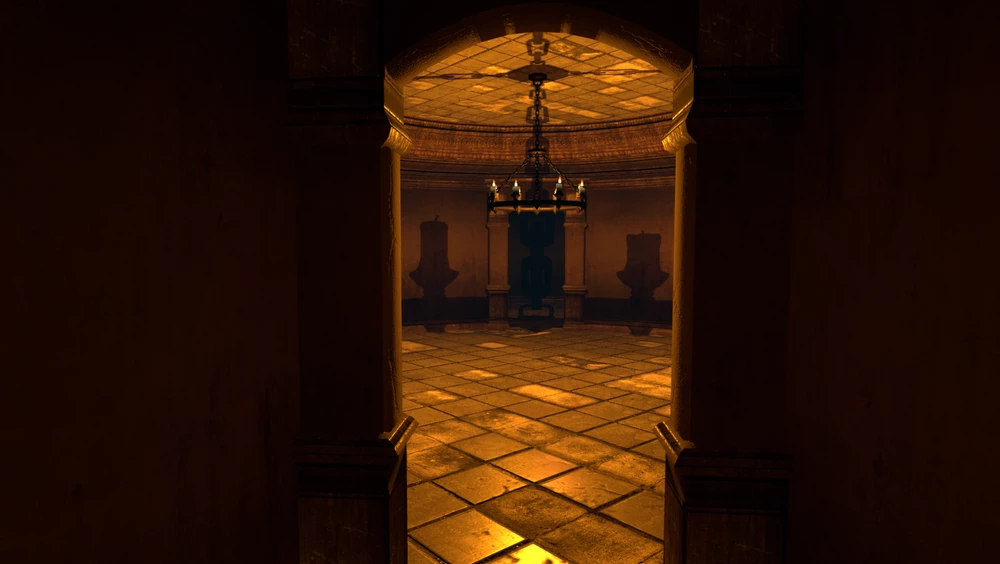
A view into the chamber.
Exploring the mansion.
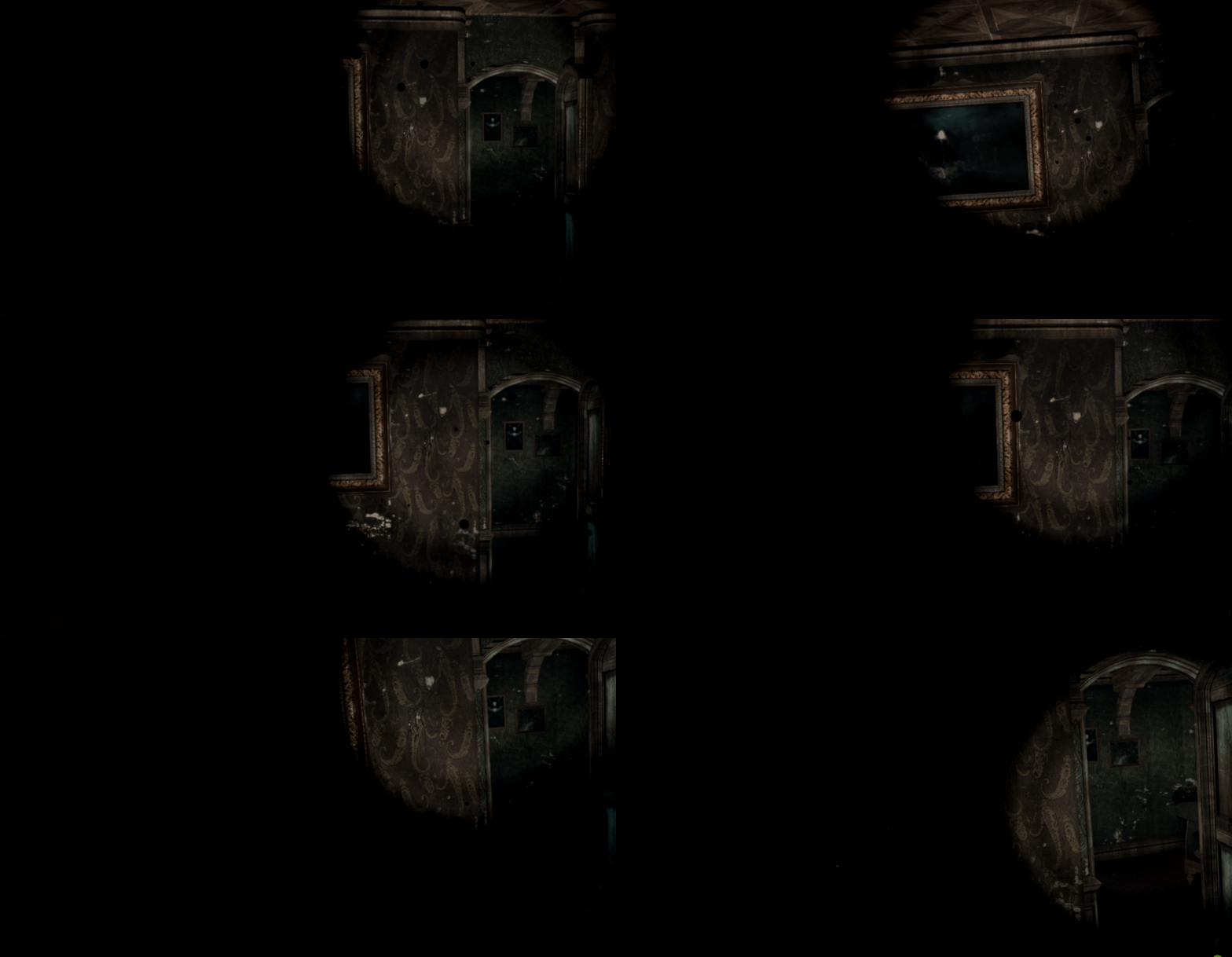
The mansion has 3 stories. The top story has rooms which contain pages of the book the player must collect. These rooms are broken up into different types of interactions.
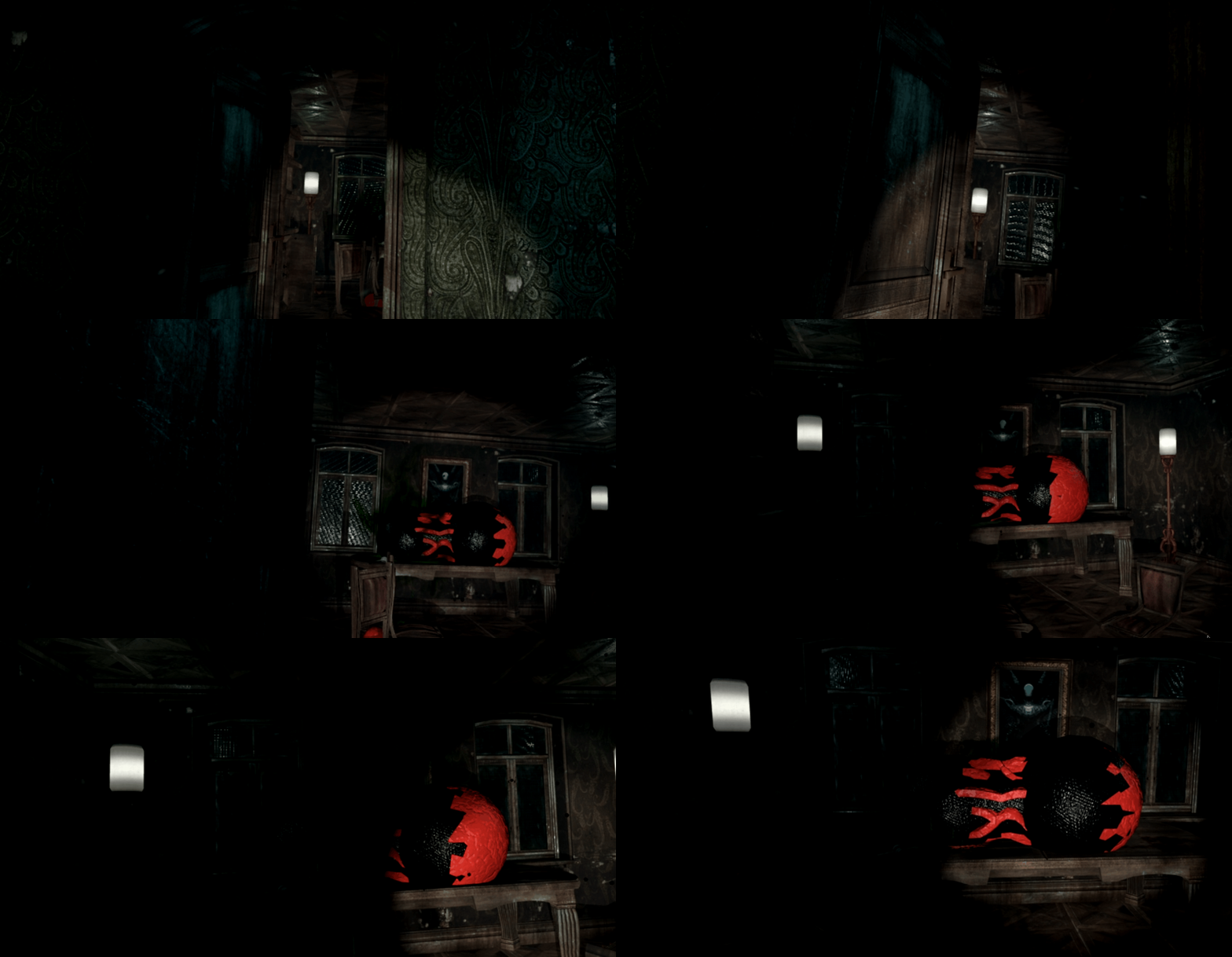
Fleshy blob.
In virtual reality, one difficulty in implementing game mechanics is that the player's hand/controller can move freely through any object because their actual hand does not have any resistance to movement. Inside the blob there is a page that the player needs to find. To simulate some sort of inertia while the player attempts to reach the page is done by adding haptic feedback to the controller. The controller vibrates as the hand drags through the blob. The faster the hand moves, the stronger the feedback. The effect does convey the feeling of resistance to some level. The blob was an animated simple model created in Google Blocks. The room also has buzzing flies which the player has to walk through. In VR, it can be slightly uncomfortable.
This room has 3 paintings which have faded symbols on them. A TV in the room has images which occasionally flash a symbol with a blood spatter pattern. This can be decoded to figure out the order of the symbols. The player can touch the paintings, which changes their form:
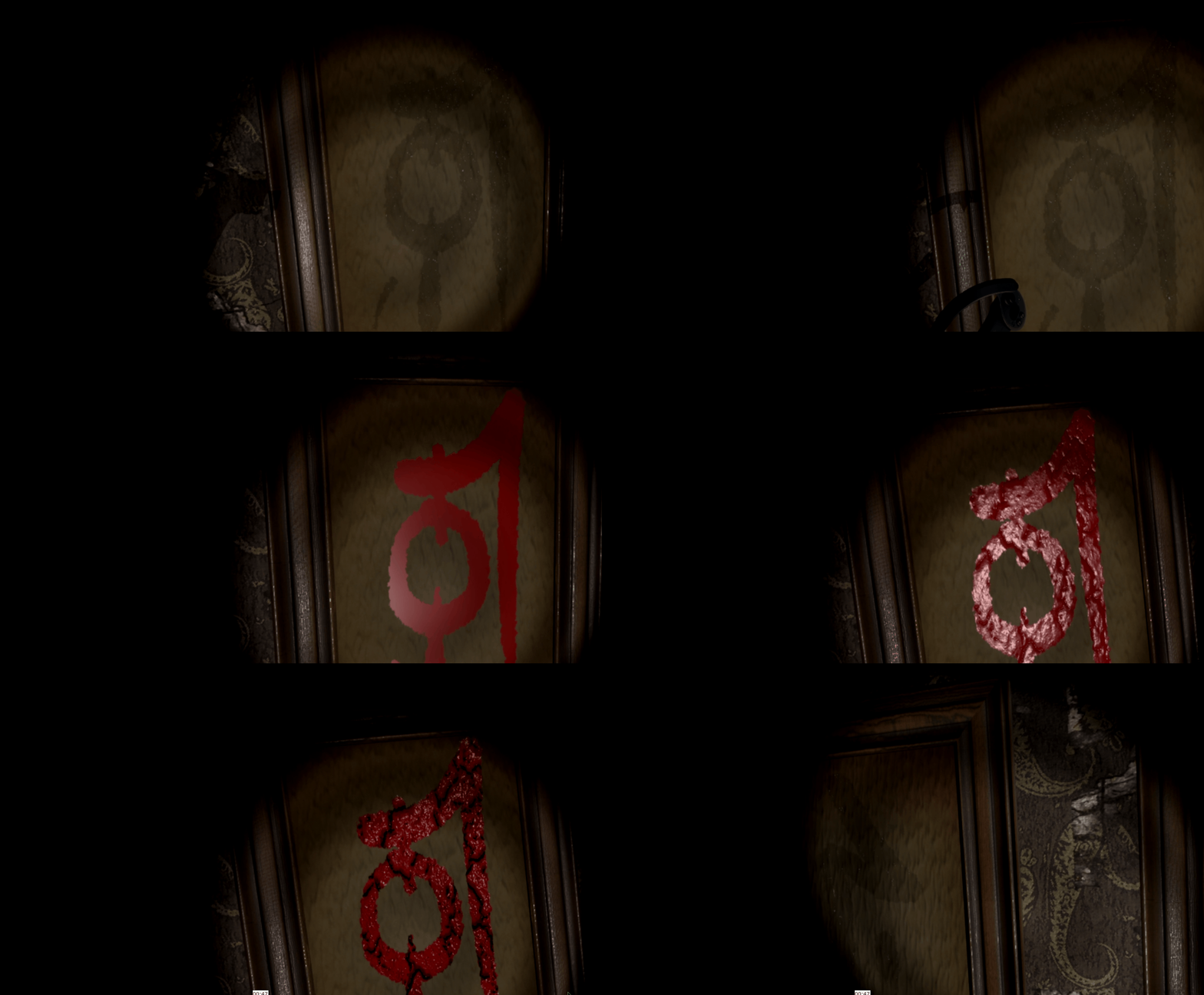
If the player does not get the order correct, a monsterish sound will emerge from behind and the paintings will emit particle effects.
One room has a small cabinet across from the door where the player enters. As the player walks across the room, they slowly shrink. The size of the player is proporitional to their distance from the cabinet, so if they stop anywhere, they will not change size. If they walk back towards the door, they will grow. Once the player reaches the cabinet, they are the small enough to enter it. Inside the cabinet is an exact copy of the main room, and the player can continue to shrink as they approach the even smaller cabinet.
This room gives an interesting sense of scale that in VR is very different from any experience one would have outside of VR.
In the underground chamber, there are hallways surrounding it, with short pillars in the 4 corners. For each page of the Necronomicon the player obtains, if they reach out above a pillar, one of the pages will appear floating above the pillar. Once all 4 pages are placed, and the player enters the central chamber, the ending of the game starts. The chamber door all close and if the player has read every page in the journal, the chamber will fill with fog and the player will appear on a never ending plane of fog where Cthulhu appears and slowly comes toward the player...ending the game.
If all pages were not found, the chamber will contain a conglomeration of glowing spheres, and giant creatures will appear, surrounding the player...ending the game.
The vast majority of my time was spent testing experimental interactions, most of which did not feel right or work out how I had hoped. My goal was to convey a sense of foreboding through different types of interactions while keeping things unclear as to if there is something sinister lurking in the darkness and if the player is safe.
One room I had made had a bunch of rotting fabric strips, and as the player walked through, the strips would bump into the player, which was very eerie and was eventually removed for two reasons. One being that in that section of the game, performance was bottlenecked by having too many collisions and framerates would drop. Another reason was that in player testing, I was told that the feeling of things hitting your face were not pleasant and I only wanted players to feel mildly uncomfortable and not have any reactions that would make them want to remove the VR headset.
Here is a link to a video walkthrough of the game: